01
AI Assistant
Ask questions in natural language, such as which topics are rising, which creators fit a niche or what audience patterns matter.
SOCIAL DATA INFRASTRUCTURE
Query accounts, content, comments, and trends through one interface. Validate in the workspace, then connect with the API.
Includes 100 trial requests



{ "total": 3, "data": [ { "id": "7453298823749918721", "username": "travel.with.ella", "display_name": "Ella | Travel", "followers": 1200000, "growth_rate": 2.14, "category": "travel", "platform": "tiktok" } ]} TikTok
 Instagram
 YouTube
 X
X Douyin
 Bilibili
 WeChat
Use the same starting point for accounts, content, and trends across platforms.
AI data integration
Use governed MCP tools and one API layer to bring multi-platform signals into RAG, copilots, automated workflows and data-powered SaaS.
Discover registered tools first, then call public APIs through those tools while authentication, billing and usage records follow the platform contract.
POST https://api.trmesh.com/mcp
Content-Type: application/json

{
  "jsonrpc": "2.0",
  "id": "trmesh-demo",
  "method": "tools/list"
}
tools/list only discovers tools. Actual tools/call requests pass the developer API key as a tool argument.
Let MCP-compatible clients discover and call registered TrMesh tools through governed social-data queries.
Feed on-demand trend, account, content and comment signals into retrieval pipelines. Data freshness follows each endpoint's documentation.
Build research, monitoring, content and growth agents that use real data within explicit permission and cost boundaries.
Embed multi-platform social-data capabilities into analytics, CRMs, vertical applications and customer workspaces without maintaining collection infrastructure.
Every call still passes through identity controls, Billing, Usage, audit and UpstreamGateway. AI integration does not bypass platform governance.
Core capabilities
From natural-language questions to structured API access and result shaping, the product is built to feel closer to how commercial teams actually work.
Ask questions in natural language, such as which topics are rising, which creators fit a niche or what audience patterns matter.
Blend filters across platforms and conditions into one research workflow.
Connect data into CRMs, internal dashboards, automations or product features.
Turn raw responses into outputs that are easier for business teams to review and act on.
Understand which workflows matter most and where usage is being consumed.
Review tokens, usage, balance, and permission-related information in one workspace.
Use cases
Validate the data for travel trends, commerce research, and financial market insight before integrating repeatable workflows.
How teams get started
Check supported platforms, data directions and examples to confirm fit.
Validate lead generation, topic analysis, creator screening or audience research with real requests.
Turn useful query patterns into repeatable workflows for the team.
Once validated, connect the data into reports, automations or internal systems.
Scenario preview
Start with querying, filtering, and reviewing results, then move into API integration and usage management when needed.
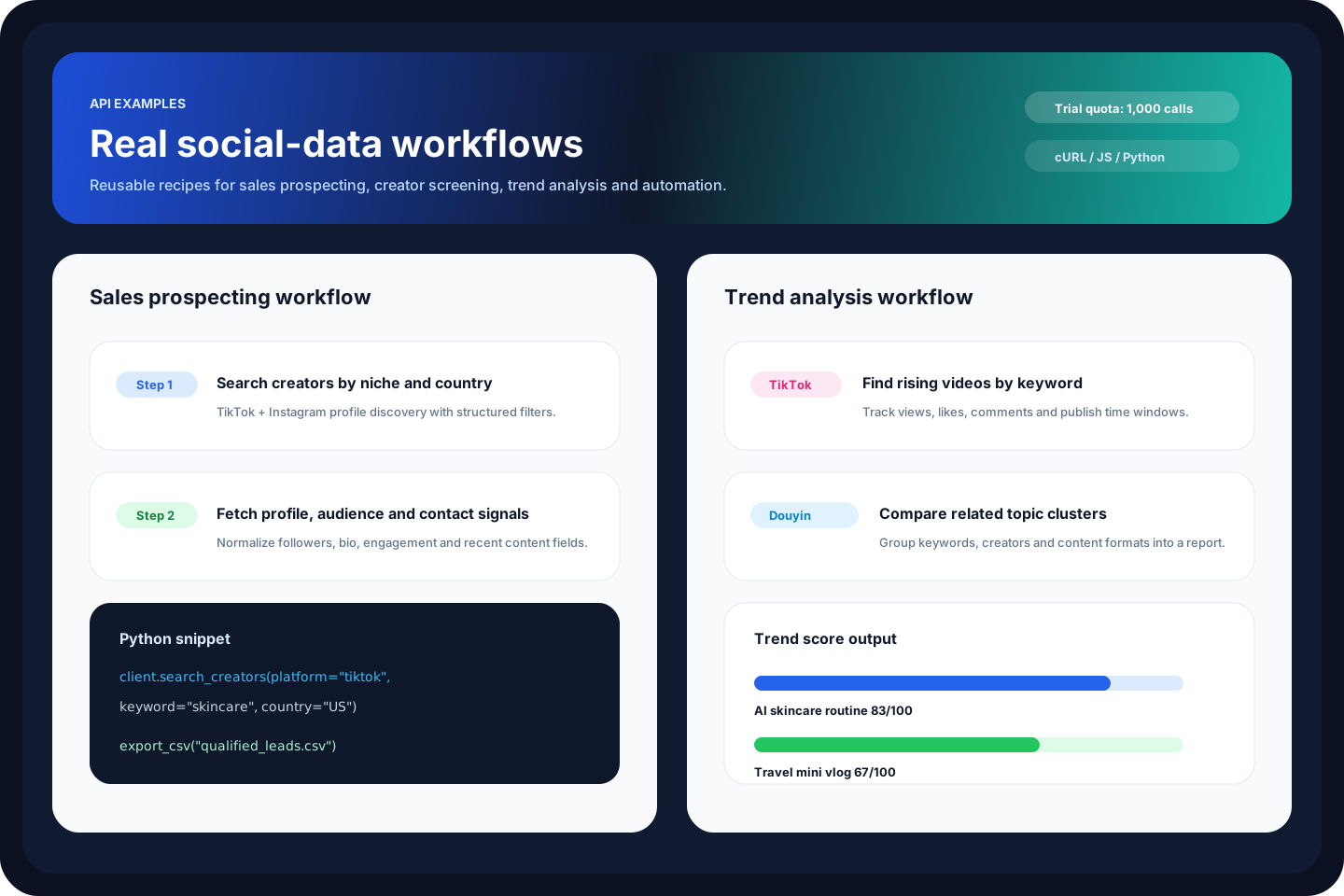
Find likely customer accounts, market examples or partnership targets by region, style and activity.
Track rising themes, engagement shifts and content directions for planning and campaign decisions.
Study user interests, engagement habits and content preferences to support sharper messaging.
Referral rewards fit growth consultants, developer communities and industry partners. Eligible recharge events are rewarded according to the current configured rules and released to the wallet after the configured hold period and release checks.
Docs
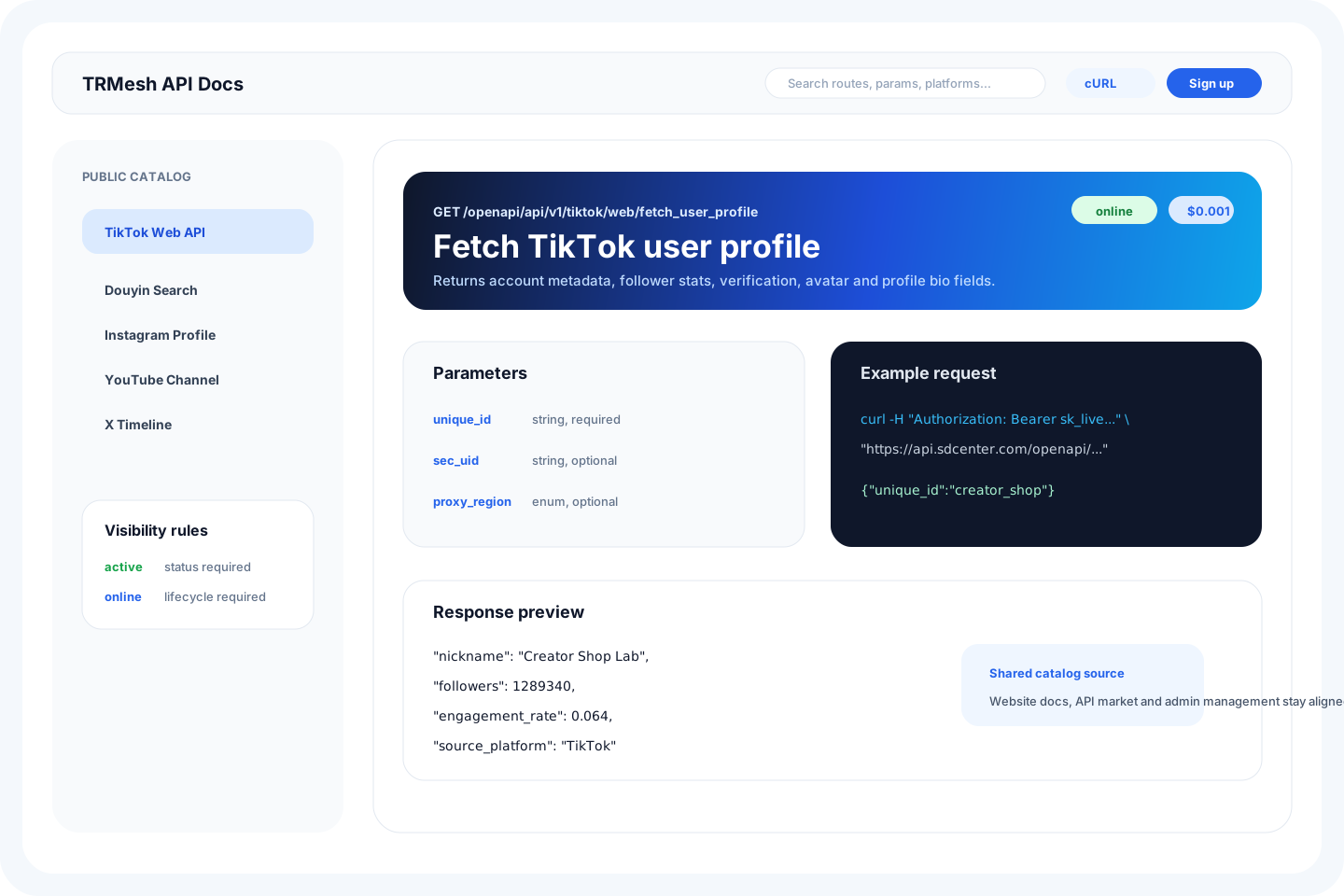
Developers can start from the API docs directly, while business teams can use examples to understand what kinds of questions the data can answer.
FAQ
Export sales teams, market researchers, creator teams, content strategists, brand analysts and data product teams can all benefit.
Common use cases include prospect discovery, trend tracking, competitor analysis, creator screening, audience research and content planning.
You can validate platform coverage, response format, query experience and whether the data truly supports your workflow.